
Choosing the Best Sleep Testing Hobart Provider
What Is Sleep Testing and Why Is It Important in Hobart?
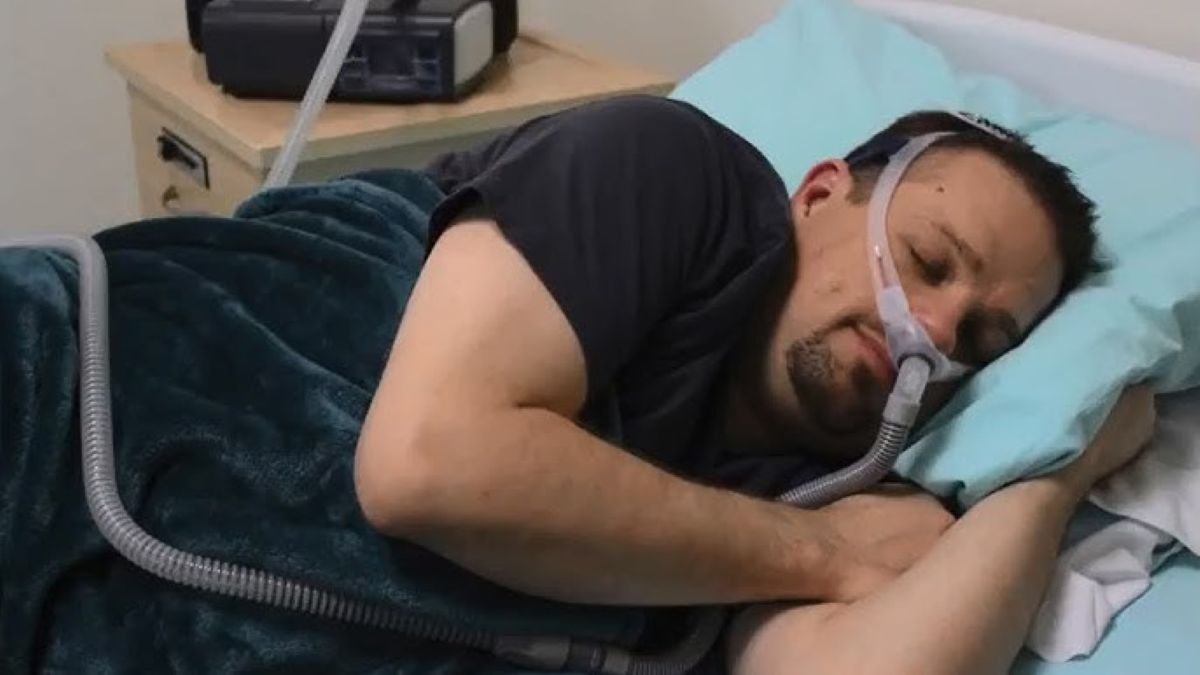
Sleep testing is a diagnostic procedure that monitors your body’s activity during sleep to identify sleep disorders. In Hobart, these tests record breathing patterns, oxygen levels, heart rate, airflow, chest movements, and body position throughout the night.
The process helps medical professionals pinpoint conditions that disrupt your sleep quality and overall health. Sleep disorders like obstructive sleep apnoea (OSA) often go undiagnosed for years, silently affecting your cardiovascular health, mental wellbeing, and daily functioning.
Accurate diagnosis through proper sleep testing Hobart services transforms treatment outcomes. Without testing, doctors can only guess at the underlying cause of symptoms like chronic fatigue or loud snoring. The data collected provides concrete evidence of:
- Breathing interruptions and their frequency per hour
- Oxygen saturation levels during sleep episodes
- Heart rate variations linked to breathing events
- Sleep position patterns that worsen symptoms
The importance of sleep disorders diagnosis extends beyond identifying a problem. Test results guide physicians in creating personalized treatment plans tailored to your specific condition severity. Someone with mild OSA might benefit from positional therapy, while severe cases typically require CPAP therapy.
Untreated sleep disorders contribute to serious health complications including high blood pressure, stroke, heart disease, type 2 diabetes, and depression. Choosing the best sleep testing Hobart provider ensures you receive accurate diagnostics that form the foundation of effective treatment. This initial step determines whether you’ll continue suffering through exhausting nights or finally achieve restorative sleep that improves your quality of life.
What Are the Common Sleep Disorders Diagnosed Through Testing in Hobart?
Sleep testing in Hobart identifies several conditions, with obstructive sleep apnoea (OSA) being the most frequently diagnosed disorder. OSA occurs when the upper airway repeatedly collapses during sleep, causing breathing interruptions that fragment rest and reduce oxygen levels.
Recognizing Obstructive Sleep Apnoea Symptoms
The hallmark signs of OSA extend beyond nighttime disturbances. Patients typically experience loud, persistent snoring accompanied by witnessed breathing pauses or gasping episodes during sleep. These nocturnal symptoms directly impact daytime functioning, manifesting as excessive fatigue, morning headaches, and difficulty concentrating.
Common obstructive sleep apnoea symptoms include:
- Loud snoring that disrupts household members
- Gasping or choking sensations during sleep
- Observed breathing pauses by bed partners
- Excessive daytime sleepiness despite adequate time in bed
- Morning headaches and dry mouth upon waking
- Difficulty maintaining focus and memory problems
- Irritability and mood changes
Other Sleep Disorders Identified Through Testing
Sleep disorder diagnosis Hobart extends beyond OSA to encompass conditions like central sleep apnoea, where the brain fails to send proper breathing signals, and periodic limb movement disorder. Some patients present with mixed sleep apnoea, combining both obstructive and central components.
Why Early Recognition Matters
Identifying these symptoms early allows for prompt sleep disorder diagnosis Hobart specialists can provide. Untreated OSA contributes to serious health complications including hypertension, cardiovascular disease, type 2 diabetes, and increased accident risk due to daytime drowsiness. The condition affects approximately 5-10% of adults, with many cases remaining undiagnosed for years.
Risk factors amplify the likelihood of developing OSA. Excess weight increases soft tissue around the airway, while a thick neck circumference (over 43cm in men, 41cm in women) narrows the breathing passage. Men face higher risk, particularly those over 40, though post-menopausal women also show increased susceptibility. Family history, alcohol consumption before bed, smoking, and chronic nasal congestion all elevate risk levels.
How Does Sleep Testing Work and What Methods Are Used?
Sleep testing captures vital data about your breathing, heart rate, and oxygen levels while you sleep. Portable diagnostic equipment records these measurements throughout the night, allowing specialists to identify patterns that indicate sleep disorders.
Home Sleep Studies: Testing in Your Own Bed
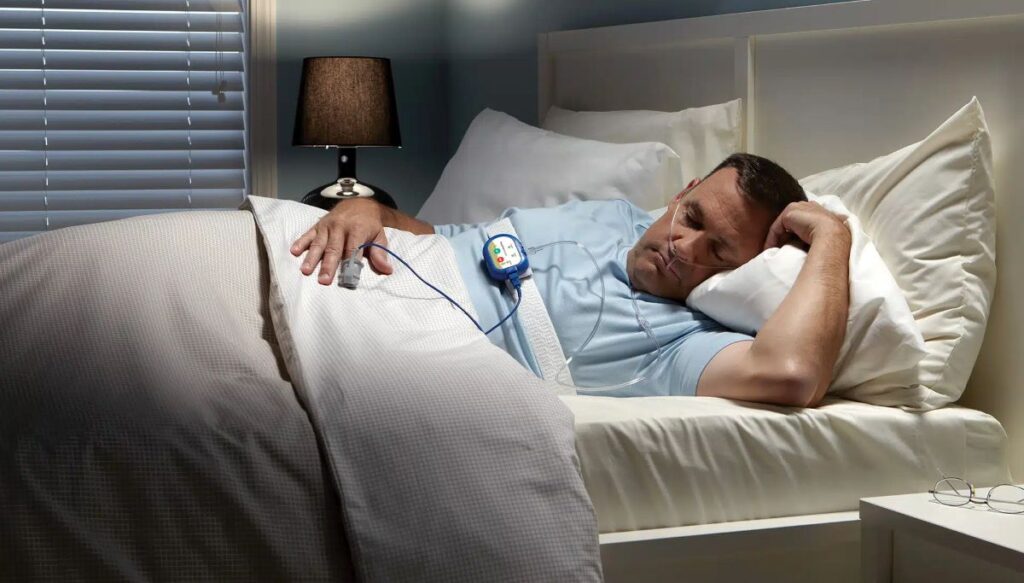
A home sleep study Hobart involves wearing a compact monitoring device in the comfort of your own bedroom. The equipment typically includes sensors that track:
- Airflow through your nose and mouth
- Chest and abdominal movements
- Blood oxygen saturation levels
- Heart rate and rhythm
- Body position during sleep
- Snoring intensity and frequency
Patients collect the device from their provider’s clinic, receive clear instructions on how to attach the sensors, and wear the equipment for one or two nights. The process mirrors your normal sleep routine, eliminating the unfamiliarity and potential discomfort of sleeping in a clinical setting.
In-Clinic Sleep Assessments: Comprehensive Monitoring
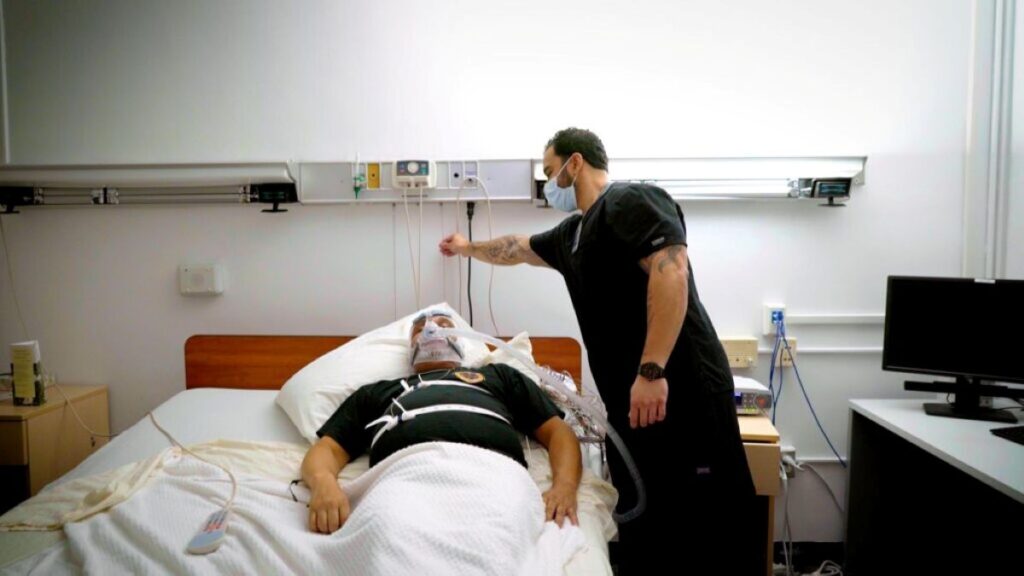
Some cases require more detailed observation in a sleep laboratory. These overnight studies, known as polysomnography, involve additional monitoring beyond what home equipment captures. Technicians observe brain waves, eye movements, and muscle activity while you sleep in a private room designed to feel comfortable and hotel-like.
In-clinic assessments suit patients with complex medical conditions, those who need multiple disorder evaluations simultaneously, or individuals whose home study results were inconclusive.
Why Home Testing Has Become the Preferred Option
The shift toward home-based testing reflects both technological advances and patient preferences. Modern portable diagnostic equipment delivers clinical-grade accuracy while allowing you to maintain your regular bedtime habits. You avoid travel to a clinic, sleep in your familiar environment, and often receive results just as reliable as laboratory testing.
Healthcare providers appreciate the efficiency of home studies. The equipment costs less to deploy, more patients can access testing simultaneously, and the natural sleep environment often produces more representative data than a clinical setting where patients may sleep differently due to unfamiliar surroundings.
What Factors Should Be Considered When Choosing a Sleep Testing Provider in Hobart?
Choosing the best sleep testing Hobart provider requires evaluating several critical factors that directly impact your diagnosis, treatment, and long-term health outcomes. The right provider should offer comprehensive services, convenient access, and specialized expertise tailored to your specific needs.
Clinic Accessibility and Location
Clinic accessibility plays a vital role when choosing a sleep testing provider. You’ll need to visit the clinic multiple times—for initial equipment collection, device return, and follow-up consultations. Providers with conveniently located facilities in Hobart reduce travel time and make the entire process less burdensome, particularly if you require ongoing CPAP machine maintenance or adjustments.
Patients managing chronic sleep disorders benefit from providers offering multiple touchpoints throughout the city. Quick access to technical support becomes essential when equipment issues arise, as delayed assistance can interrupt treatment and worsen symptoms.
Availability of Pediatric Sleep Specialists
Does the provider have experience with children’s sleep studies? Pediatric sleep disorders require specialized knowledge and different diagnostic approaches compared to adult testing. Children often experience unique sleep issues related to growth, development, and behavioral factors.
Providers offering pediatric specialists ensure age-appropriate equipment, child-friendly testing protocols, and accurate interpretation of results specific to younger patients. Parents should verify whether the clinic has dedicated pediatric sleep physicians who understand the nuances of diagnosing conditions like childhood sleep apnoea.
Range of Treatment Options Offered
A comprehensive provider should offer multiple treatment modalities beyond basic diagnosis. Choosing a sleep testing provider with diverse treatment options ensures you receive personalized care matched to your specific condition and lifestyle preferences.
Look for providers offering:
- CPAP therapy with various mask styles and machine options
- Mandibular Advancement Splints for mild to moderate cases
- Positional therapy devices for position-dependent sleep apnoea
- Oxygen therapy when required
- Alternative treatments for patients who cannot tolerate CPAP
Providers limited to single treatment approaches may not accommodate your individual needs or preferences, potentially compromising treatment adherence and effectiveness.
Expertise of Sleep Physicians and Support Staff
The qualifications and experience of sleep physicians directly influence diagnostic accuracy and treatment success.
Which Treatment Options Should a Comprehensive Provider Offer?
A quality sleep testing provider should offer multiple treatment pathways tailored to different patient needs and disorder severities. CPAP therapy Hobart providers deliver remains the gold standard for moderate to severe obstructive sleep apnoea, working by delivering continuous pressurized air through a mask to keep airways open throughout the night.
CPAP therapy addresses the root cause of OSA by preventing airway collapse during sleep. The treatment involves wearing a mask connected to a machine that maintains steady air pressure, eliminating the breathing pauses that characterize sleep apnoea. Patients typically experience immediate improvements in sleep quality, reduced snoring, and decreased daytime fatigue once they adjust to the device.
Alternative Treatment Modalities
Mandibular advancement splints offer a less invasive option for mild to moderate OSA cases. These custom-fitted oral devices reposition the lower jaw forward during sleep, preventing the tongue and soft tissues from blocking the airway. Many patients find splints more comfortable than CPAP masks, particularly those who travel frequently or feel claustrophobic with mask-based therapy.
Comprehensive providers should also stock:
- Positional therapy devices that train patients to avoid sleeping positions that worsen apnoea episodes
- Oxygen therapy equipment for patients requiring supplemental oxygen alongside primary treatments
- Humidification systems that reduce dryness and irritation associated with CPAP use
- Different mask styles including nasal pillows, nasal masks, and full-face options to accommodate individual preferences
Equipment Support Services
Access to multiple CPAP brands and models allows providers to match devices to specific patient requirements. Some individuals need auto-adjusting pressure settings, while others benefit from fixed-pressure machines. Providers should service and repair equipment from major manufacturers, ensuring patients maintain uninterrupted treatment regardless of their device brand.
How Important Is Ongoing Support and Maintenance from the Provider?
Ongoing support determines whether your sleep disorder treatment succeeds or fails over time. A provider’s commitment to long-term care directly impacts treatment adherence, equipment functionality, and your ability to maintain healthy sleep patterns month after month.
CPAP machine service Hobart providers should offer comprehensive technical support that extends well beyond the initial device setup. Machines require regular maintenance, troubleshooting when issues arise, and periodic adjustments as your needs change. Without reliable support, patients often abandon treatment when they encounter even minor problems.
What Technical Support Services Should Be Available?
Quality providers maintain dedicated support teams trained to handle equipment issues promptly:
- Troubleshooting assistance for mask leaks, pressure adjustments, and comfort concerns
- Regular maintenance checks to ensure optimal machine performance
- Replacement parts supply including filters, tubing, and mask components
- Software updates and data monitoring to track therapy effectiveness
- Emergency support for urgent equipment failures
Why Does Equipment Maintenance Matter for Treatment Success?
CPAP machines contain filters that trap dust and allergens, requiring replacement every 1-3 months depending on usage. Dirty filters reduce air quality and machine efficiency. Tubing develops wear and tear, potentially harboring bacteria if not cleaned properly or replaced when needed.
Masks lose their seal over time as cushions degrade, leading to air leaks that compromise therapy effectiveness. A provider offering CPAP machine service Hobart should stock replacement parts from major manufacturers and guide you through proper maintenance schedules.
How Does Ongoing Support Improve Long-Term Adherence?
Patients who receive consistent support show significantly higher treatment adherence rates. When problems arise—whether technical glitches, discomfort issues, or questions about therapy progress—immediate access to knowledgeable staff prevents frustration from derailing treatment.
Regular check-ins allow providers to monitor therapy data, identify patterns suggesting equipment adjustments, and address emerging concerns before they become barriers. This proactive approach keeps patients engaged with their treatment plan rather than abandoning therapy when challenges surface.
What Happens When Support Is Inadequate?
Patients without reliable support often face:
- Extended periods without therapy while waiting for equipment repairs
- Worsening symptoms due to inconsistent use of CPAP or other devices
- Increased reliance on medication or alternative treatments as a substitute
- Difficulty in establishing healthy sleep habits without professional guidance
These consequences can significantly impact overall health outcomes and quality of life for individuals with sleep disorders.
What Role Does Eligibility for Medicare Rebates Play in Choosing a Provider?
Medicare rebates can reduce out-of-pocket costs by hundreds of dollars when accessing sleep testing and treatment services. Patients with a valid GP referral and a confirmed diagnosis of obstructive sleep apnoea may qualify for substantial rebates on both diagnostic testing and ongoing CPAP therapy equipment.
Choosing the Best Sleep Testing Hobart Provider requires understanding which services attract Medicare benefits. Home sleep studies typically qualify for rebates when conducted through accredited providers who follow Medicare guidelines. The rebate amount varies depending on the complexity of the test and whether specialist consultations are included in the service.
Understanding the Rebate Process
Providers familiar with Medicare rebates sleep testing Hobart processes streamline claims for their patients. These clinics handle bulk billing arrangements or provide itemized invoices with correct Medicare item numbers, making it easier for patients to claim their entitled benefits. Some providers submit claims directly to Medicare on behalf of patients, eliminating paperwork and reducing waiting times for reimbursement.
What Equipment Qualifies for Rebates?
CPAP machines and related equipment may be eligible for Medicare rebates when prescribed by a specialist following a confirmed diagnosis. Patients can claim rebates for:
- Initial CPAP machine purchase
- Replacement masks and tubing (subject to timeframes)
- Humidifier chambers
- Annual machine servicing
Why Provider Knowledge Matters
Providers experienced with Medicare requirements ensure all documentation meets eligibility criteria before submitting claims. They understand which diagnostic codes to use, what supporting documentation specialists need to provide, and how to structure treatment plans to maximize patient benefits. This expertise prevents claim rejections and reduces the financial burden on patients seeking treatment.
Private Health Insurance Considerations
Many Hobart residents hold private health insurance with extras cover that includes sleep disorder services. Knowledgeable providers can advise patients on how to combine Medicare rebates with private health fund benefits, potentially covering most or all treatment costs. They maintain relationships with major insurers and understand each fund’s specific requirements for sleep testing claims.
Why Is Personalized Follow-Up Care Essential After Sleep Testing?
Personalized follow-up care for sleep disorders management directly impacts treatment success rates and long-term health outcomes. After receiving sleep study results, patients need experienced sleep physicians to interpret data, explain diagnosis severity, and create customized treatment plans that address their specific condition and lifestyle needs.
1. Treatment adjustments require ongoing monitoring
Initial CPAP pressure settings or mandibular advancement splint configurations rarely remain optimal long-term. Sleep physicians track patient progress through regular consultations, analyzing compliance data from CPAP machines and gathering feedback about symptom improvement. This continuous assessment allows providers to fine-tune therapy parameters, ensuring maximum effectiveness.
2. Individual responses to treatment vary significantly
Two patients with identical apnoea-hypopnea index scores may experience different challenges with CPAP therapy. One might struggle with mask discomfort while another faces issues with pressure tolerance. Experienced sleep physicians identify these barriers during follow-up appointments and implement targeted solutions—whether switching mask styles, adjusting humidity settings, or exploring alternative therapies.
3. Comorbid conditions demand specialized attention
Patients with sleep apnoea often present with related health issues:
- Cardiovascular disease requiring coordinated care with cardiologists
- Type 2 diabetes necessitating blood sugar monitoring alongside sleep therapy
- Mental health conditions where improved sleep quality affects medication efficacy
- Chronic nasal congestion impacting CPAP adherence
Sleep physicians coordinate with other specialists to address these interconnected health factors, creating comprehensive care strategies that improve overall wellbeing beyond sleep quality alone.
4. Long-term adherence depends on professional support
Studies show patients receiving regular follow-up care maintain higher CPAP compliance rates compared to those without ongoing physician contact. Sleep specialists troubleshoot technical problems, provide motivation during adjustment periods, and celebrate progress milestones—all factors contributing to sustained treatment adherence.
5. Evolving symptoms require reassessment
Weight changes, new medications, or developing health conditions can alter sleep apnoea severity. Scheduled follow-up appointments allow physicians to recognize when repeat testing becomes necessary or when treatment modifications could enhance outcomes. This proactive approach prevents symptom recurrence and maintains quality of life improvements achieved through initial treatment. You may like to visit https://www.betterhealth.vic.gov.au/health/conditionsandtreatments/sleep-apnoea to get more about sleep apnoea.
How Can Patients Prepare for Their Sleep Study in Hobart?
Preparing for home sleep study success starts with maintaining your normal evening routine. Avoid making significant changes to your sleep schedule or habits, as this ensures the test captures your typical sleep patterns and provides accurate diagnostic data.
The Day Before Your Study
- Limit caffeine intake after midday and avoid alcohol completely. Both substances alter sleep architecture and can skew test results.
- Skip daytime naps to ensure you’re naturally tired at your usual bedtime. This helps you fall asleep more easily despite wearing monitoring equipment.
Setting Up Your Sleep Environment
- Choose a comfortable sleeping position you normally use. The monitoring equipment needs to record your natural sleep behavior, not an artificially adjusted position.
- Ensure your bedroom temperature is comfortable—typically between 16-19°C—as extreme temperatures can disrupt sleep and affect test accuracy.
Charge all electronic devices beforehand. Most home sleep study equipment runs on batteries, but having your phone nearby for emergencies is practical. Keep the instruction manual accessible in case you need to reference setup steps.
Personal Preparation Steps
- Shower or bathe before attaching sensors, as you won’t be able to do so while wearing the equipment
- Wear loose, comfortable clothing that allows easy access to your chest and finger for sensor placement
- Remove nail polish from at least one finger, as it interferes with oxygen saturation readings
- Keep your hair clean and dry to ensure scalp sensors adhere properly if required
Understanding the Equipment
Familiarize yourself with the monitoring device during the day. Practice attaching the sensors while following the provider’s instructions. This reduces setup time at bedtime and minimizes anxiety about using the equipment correctly.
The nasal cannula should sit comfortably under your nose without being too tight. Chest belts need to be snug but not restrictive. The pulse oximeter clips onto your fingertip and should feel secure without causing discomfort.
What to Avoid
Don’t apply lotions, oils, or moisturizers to areas where sensors will be placed. These products prevent proper adhesion and can compromise data quality. Skip sleeping medications unless specifically approved by your referring doctor, as they alter natural sleep patterns.
Recording Additional Information
Keep a simple sleep diary noting when you went to bed and when you woke up during the study night. Include any relevant details such as disturbances or unusual events that may impact your sleep quality assessment.
Conclusion
Sleep disorders like obstructive sleep apnoea significantly impact your daily functioning, relationships, and long-term health. Seeking professional help through a qualified sleep testing provider transforms these challenges into manageable conditions with proven treatment pathways.
The best sleep testing provider Hobart offers more than diagnostic equipment—they deliver comprehensive care from initial assessment through ongoing treatment support. Your choice of provider directly influences your treatment success, comfort level, and financial investment in your health journey.
Choosing the Best Sleep Testing Hobart Provider requires evaluating multiple dimensions of care:
- Accessibility of clinic locations for equipment collection and consultations
- Availability of specialized services including pediatric sleep testing
- Range of treatment options beyond standard CPAP therapy
- Technical support infrastructure for device maintenance and troubleshooting
- Medicare rebate eligibility and transparent pricing structures
- Personalized follow-up care with experienced sleep physicians
Quality sleep testing providers recognize that diagnosis represents only the beginning. Effective management demands ongoing partnership between patient and provider, with adjustments made as your needs evolve. This collaborative approach ensures treatment remains effective, comfortable, and sustainable over months and years.
Your health deserves attention from professionals who understand both the clinical complexities of sleep disorders and the practical realities of living with treatment devices. The right provider becomes your advocate, educator, and support system throughout your journey toward restorative sleep.
Don’t allow symptoms like chronic fatigue, loud snoring, or morning headaches to diminish your quality of life. Contact a reputable sleep testing provider in Hobart today to begin your path toward diagnosis, treatment, and genuinely refreshing sleep that restores your energy and wellbeing.
Related : Securing a Bulk-Bill Sleep Study Canberra in the ACT