
How Accurate Is Laser Eye Surgery? Precision Technology Behind Perfect Vision

Clear vision is essential for busy professionals and those with active lifestyles. Laser eye surgery promises not just freedom from glasses or contacts, but also highly precise vision correction. With advancements in technology, procedures like LASIK and PRK offer remarkable accuracy. Understanding the precision behind these treatments helps patients make informed decisions and set realistic expectations for their visual outcomes.
The Science Behind Laser Eye Surgery
Modern laser eye surgery relies on highly advanced technology to reshape the cornea with microscopic precision. Customized laser systems map the eye in 3D, ensuring treatment is tailored to each patient’s unique vision needs. This precision allows surgeons to correct nearsightedness, farsightedness, and astigmatism safely and effectively.
Who benefits most: Professionals, athletes, and frequent travellers seeking reliable and consistent vision correction.
How Precision Improves Daily Life
1. Accurate Prescription Correction
Laser systems measure the eye in fine detail, ensuring the prescription is corrected accurately.
Practical impact: Minimizes residual vision errors, reducing the need for glasses after surgery.
Who it benefits most: Office workers, designers, and anyone relying on sharp vision for daily tasks.
2. Enhanced Night Vision
Precision laser technology reduces optical aberrations.
Practical impact: Fewer halos or glare around lights, improving safety during night driving.
Who it benefits most: Professionals working late shifts and active individuals who drive at night.
3. Consistent Outcomes
Advanced mapping ensures predictable results tailored to each eye.
Practical impact: Patients achieve reliable visual clarity post-surgery, boosting confidence.
Who it benefits most: Frequent travellers and clients with critical vision needs.
4. Minimal Risk of Over- or Under-Correction
Computer-guided lasers reduce human error.
Practical impact: Precise tissue removal prevents over- or under-correction, providing optimal clarity.
Who it benefits most: Professionals requiring accurate vision for detailed work or sports.
5. Faster Recovery
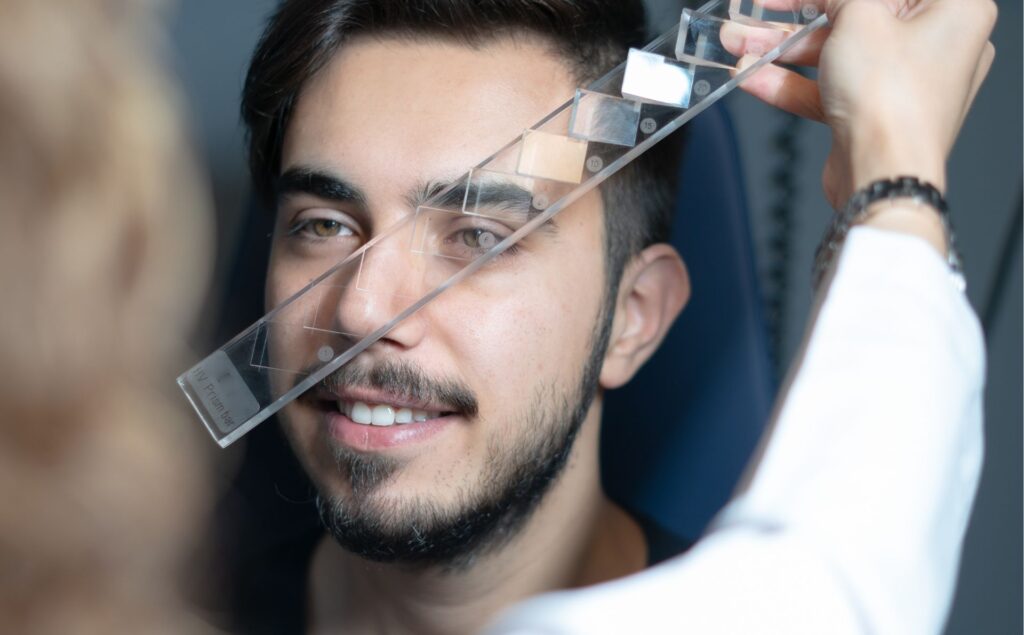
Precision reduces trauma to surrounding tissue.
Practical impact: Healing is smoother and downtime is shorter, allowing quicker return to work or exercise.
Who it benefits most: Busy professionals and active lifestyle enthusiasts.
6. Long-Lasting Results
Modern lasers offer stable and predictable reshaping of the cornea.
Practical impact: Visual improvements are long-lasting, reducing future dependency on corrective eyewear.
Who it benefits most: Individuals seeking a permanent, hassle-free solution.
7. Customised Treatments
Wavefront-guided technology maps individual corneal irregularities.
Practical impact: Tailored treatment corrects even subtle vision imperfections, improving quality of vision.
Who it benefits most: People with complex prescriptions or astigmatism.
8. Reduced Complications
High-precision lasers minimise surgical risks.
Practical impact: Fewer post-operative side effects, such as glare, halos, or dry eyes.
Who it benefits most: Patients wanting safe, predictable results.
9. Improved Athletic Performance
Clear, sharp vision without corrective lenses enhances performance.
Practical impact: Athletes can focus better, react faster, and avoid eyewear-related distractions.
Who it benefits most: Runners, swimmers, cyclists, and outdoor sports enthusiasts.
10. Boosted Confidence and Lifestyle Freedom
Accurate vision correction improves everyday life.
Practical impact: Patients enjoy independence from glasses or contacts and enhanced self-confidence.
Who it benefits most: Professionals, social individuals, and frequent travellers seeking convenience.
FAQs About Laser Eye Surgery Accuracy
Q1: How accurate is laser eye surgery?
Modern laser eye surgery is highly accurate, often achieving 20/20 vision or better. Precision mapping and computer-guided lasers allow surgeons to correct even complex prescriptions with minimal residual errors. Outcomes are predictable when pre-surgery evaluations are thorough and post-operative care is followed.
Q2: Does LASIK work for astigmatism?
Yes, advanced LASIK procedures, including wavefront-guided and topography-assisted LASIK, can correct mild to moderate astigmatism with high accuracy. Patients experience sharper vision, reduced glare, and improved visual comfort.
Q3: How long does it take to see results after surgery?
Most patients notice improved vision within 24–48 hours. Full stabilization can take a few weeks, during which minor fluctuations or glare may occur. Following post-operative guidelines ensures optimal, long-lasting results.
Q4: Are there risks of under- or over-correction?
With modern laser technology, risks are minimal. Computer-guided systems and precise mapping significantly reduce the chances of over- or under-correction, although rare cases may require minor enhancements later.
Q5: How long do the results last?
Results are typically long-lasting. Vision may gradually change with age, but most patients enjoy permanent correction, reducing or eliminating the need for glasses or contacts for decades.